
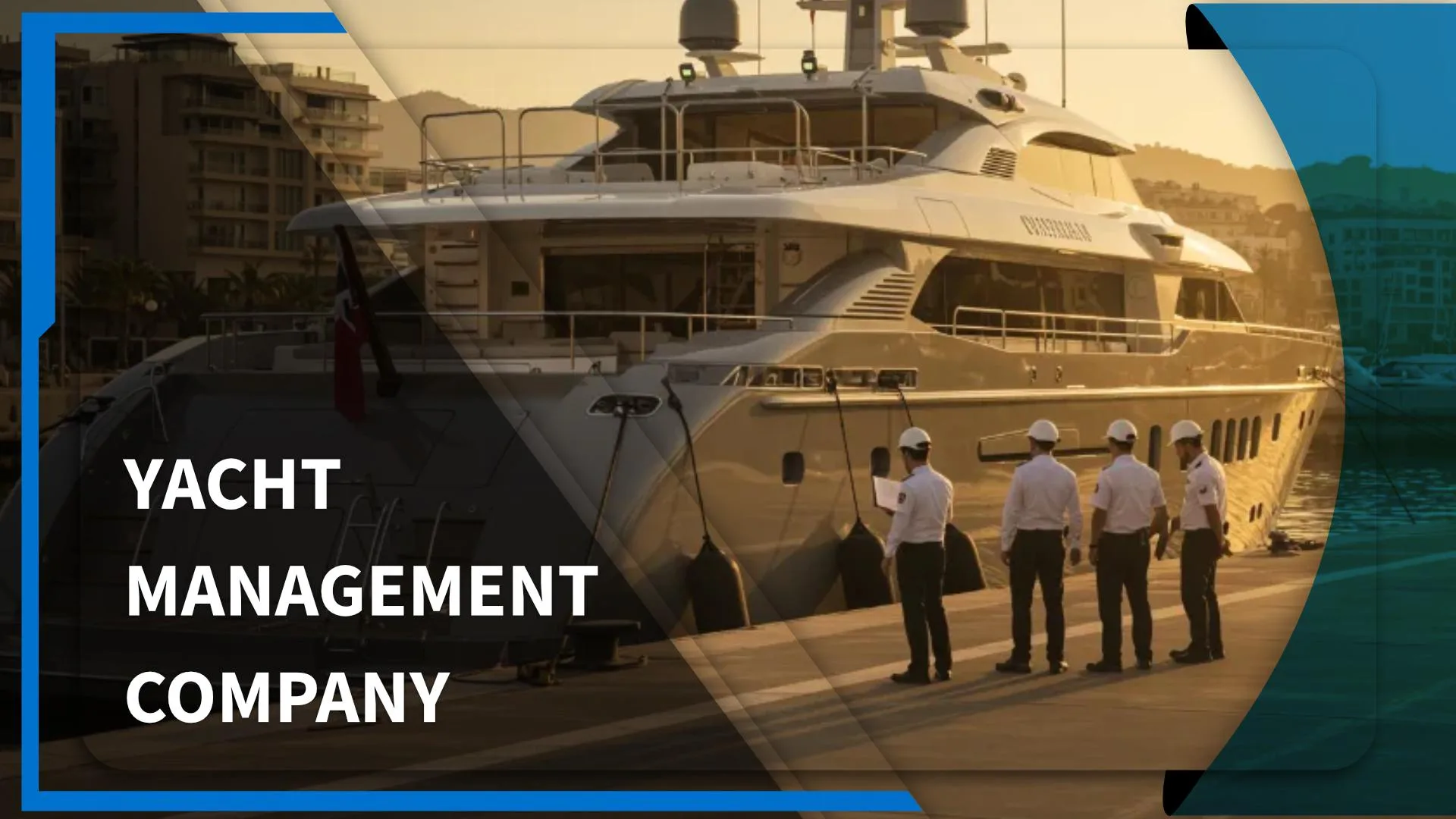
Short answer: A yacht management company is a shore-based team that runs the technical, safety, crew, operational and financial side of a yacht on the owner’s behalf. It plans maintenance and surveys, keeps the yacht compliant, recruits and pays crew, handles budgets and reporting, and supports the captain. For commercially operated yachts that must comply with the ISM Code, the management company may act as the ISM “Company” when it takes on the applicable responsibilities.
KRM Yacht is a refit and rebuild yard, not a yacht management company. During a yard period it works with the owner’s manager or representative.
What Does a Yacht Management Company Do?
Yacht management services are usually grouped into six areas:
| Area | What it covers |
|---|---|
| Technical management | Planned maintenance, class and flag surveys, work orders, spares, yard periods and sea trials |
| Safety and compliance | The safety management system, audits, drills, and flag, class and port state requirements |
| Crewing | Recruitment, contracts, payroll, certificates, rotations, medicals, travel and visas |
| Operations | Itineraries, ports, bunkers, provisioning logistics, vendors, purchasing and customs |
| Finance | Budgets, cash flow, approval limits, owner reporting and annual accounts |
| Charter support | Working with charter brokers on compliance, contracts, turnarounds and charter accounting |
“Integrated yacht management” usually means one provider covering all of these areas under one agreement, rather than separate providers for technical, crew and accounts.
Compliance: ISM, MLC and Yacht Codes
Which compliance rules a yacht management company works under depends on the yacht’s size, use and flag:
- ISM Code. Under SOLAS Chapter IX, the ISM Code is mandatory for passenger ships on international voyages regardless of tonnage, and for cargo ships of 500 GT and above on international voyages. For commercial yachts carrying no more than 12 passengers, this generally means yachts of 500 GT and above, applied through the flag’s yacht code. Private pleasure yachts are generally outside its mandatory scope, although flag requirements can differ. Under ISM, the company holds a Document of Compliance (DOC), each yacht holds a Safety Management Certificate (SMC), and the company appoints a designated person or persons ashore (DPA) with direct access to top management.
- MLC 2006. The Maritime Labour Convention sets minimum standards for crew working and living conditions on ships ordinarily engaged in commercial activities, including commercial yachts. See MLC.
- Yacht codes. Commercial yachts follow the applicable flag-state requirements and yacht codes. Under the Red Ensign Group Yacht Code, Part B covers yachts, private or commercial, carrying 13 to 36 passengers, with no more than 200 persons on board in total, on international voyages without cargo. See passenger yacht code.
- Flag and class. See flag state rules and classification society.
How Yacht Management Works in Practice
A good manager builds a safety management system that fits the yacht: documented procedures for navigation, engineering, drills and incident reporting, internal audits, and a feedback loop with the captain and chief engineer. Where ISM applies, the system is verified by external audits against the company’s DOC and the yacht’s SMC.
On the technical side, the manager maps the yacht into systems and components and sets maintenance intervals in a planned maintenance system. When yard time is needed, the work list is defined, priced and sequenced, and quality is checked through inspections, tests and surveys, often alongside the yard’s own test and survey programme.
Captain, Broker, Shipyard and Management Company: Who Does What?
Each role is different: the captain runs the yacht, the manager supports from ashore, the broker handles sales and charter, and the yard does the work.
- The captain runs the yacht on board.
- The management company supports the captain from ashore with systems, approvals, audits and specialists.
- A broker markets, buys, sells or charters yachts.
- A shipyard carries out the work. For a refit, the management company or an owner’s representative usually defines the scope, supervises quality and fits the yard period into the maintenance plan.
When Do You Need a Yacht Management Company?
Owners usually need a yacht management company when the yacht’s size, use or cruising plan creates more work than the crew can handle alone. You are more likely to need one when:
- The yacht is large enough, or carries enough guests, for ISM and detailed regulatory frameworks to apply
- You cruise widely across several jurisdictions and need logistics, permits and technical support
- You charter the yacht and need consistent turnarounds, financial controls and guest standards
- You are preparing a new build or a major refit and want independent scope, cost and quality control
Smaller yachts can still benefit from a scaled package focused on maintenance planning and paperwork.
How to Choose a Yacht Management Company
When comparing yacht management companies, look for a valid ISM Document of Compliance where the provider acts as the ISM Company, a strong technical team, 24-hour operational support and transparent reporting. Ask for references, a sample monthly report and a sample budget, and ask how they manage critical spares, yard warranties and change orders. Compare proposals on the same operating profile: cruising plan, crew size, flag, class and charter intent.
What Should a Yacht Management Agreement Include?
A yacht management agreement should set out:
- The scope of services and what is excluded
- Key performance indicators and the reporting schedule
- Approval limits for purchases and yard change orders, and who signs what
- How warranty claims, incidents and emergencies are handled
- Fees and how costs and third-party invoices are charged
- Ownership and transfer of data, such as maintenance history and logs
- Liability and insurance responsibilities
- How conflicts of interest and disputes are handled
- Termination terms and the handover process to a new manager
Yacht Management During a Refit
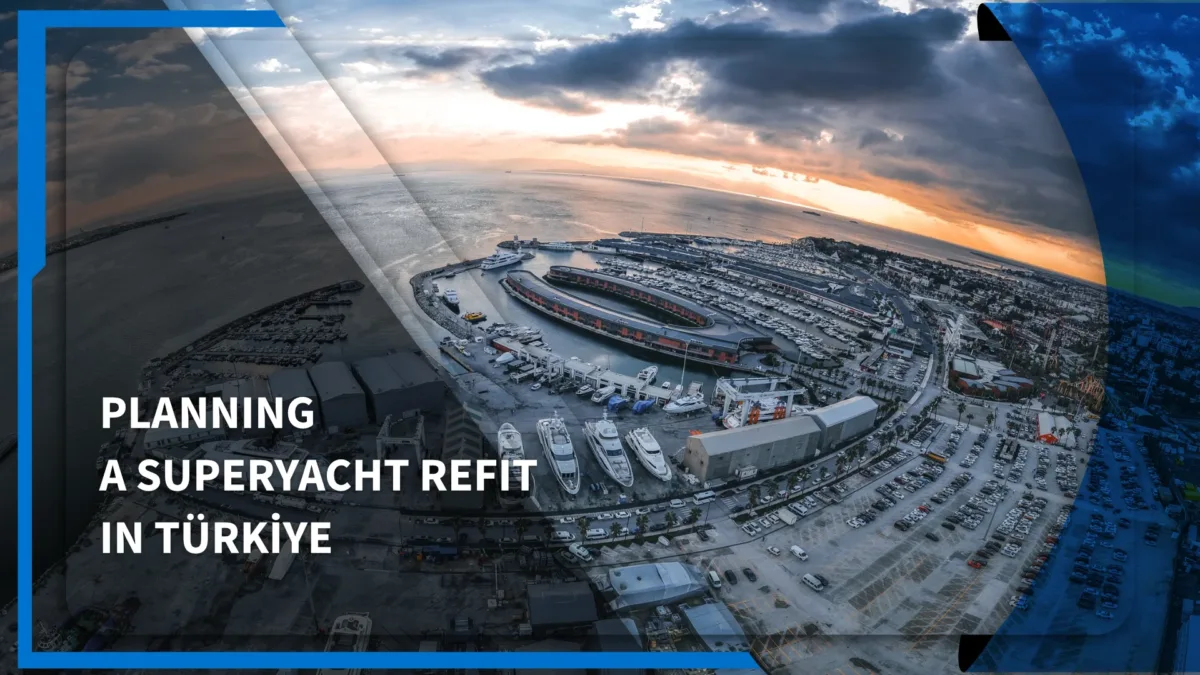
During a refit, the yard carries out and documents the work, while the management company translates the owner’s goals into a structured work scope, often through a refit brief, helps select the yard, sequences critical work and controls change orders. Quality is checked through inspection points, tests and documentation, and the yard period is fitted into the safety management system and maintenance plan. See what is a yacht refit, refit project management and superyacht refit.

During a refit, the management company or owner’s representative works with the yard on scope, quality and change control.
Frequently Asked Questions
Do I need a yacht management company, or can my captain handle it?
The captain runs day-to-day operations on board. A management company handles shore-side systems such as budgets, audits, vendors and compliance. On larger or commercially operated yachts, the workload and accountability can exceed what one onboard team can carry.
What is integrated yacht management?
It means one provider covering technical, safety, crew, operational and financial management under one agreement, instead of separate providers for each area.
What should a yacht management agreement include?
Scope and exclusions, KPIs and reporting, approval limits, incident and warranty handling, fees, data ownership, and termination and handover terms.
How do I compare yacht management proposals fairly?
Base every proposal on the same cruising plan, crew size, flag, class and charter intent, ask for a sample monthly report, and weigh the depth of the technical team and references more than the headline fee.
Which KPIs should I use to measure a management company?
Technical availability, planned versus unplanned maintenance, budget variance, time to close incidents, survey findings, and crew retention and training compliance. For charter yachts, add guest satisfaction and turnaround punctuality.
Does ISM apply to my yacht?
It depends on size, use and flag. ISM is mandatory for passenger ships on international voyages and for cargo ships of 500 GT and above on international voyages; for commercial yachts carrying up to 12 passengers, this generally means 500 GT and above. Private pleasure yachts are generally outside its mandatory scope, but check your flag’s requirements.
I’m refitting my yacht at a shipyard: can the yard act as my management company?
No. A yard carries out and documents the refit work; management, crewing and compliance stay with the owner’s manager or representative. KRM Yacht is a refit and rebuild yard and works alongside the owner’s manager during the yard period.
What is the difference between charter management and yacht management?
Charter management markets the yacht and handles bookings, contracts and guests. Yacht management runs the yacht itself: technical, compliance, crew, operations and finance. Many owners use both.
What happens if I want to switch management companies?
Plan a handover that transfers the maintenance database, technical files, class and flag correspondence and open warranty items, with a short overlap to avoid gaps in compliance or payroll. Make sure the agreement guarantees data portability.
What are the warning signs that I chose the wrong provider?
Late reports, unclear spending, repeated incidents, high crew turnover, missed survey windows and unexplained change orders.