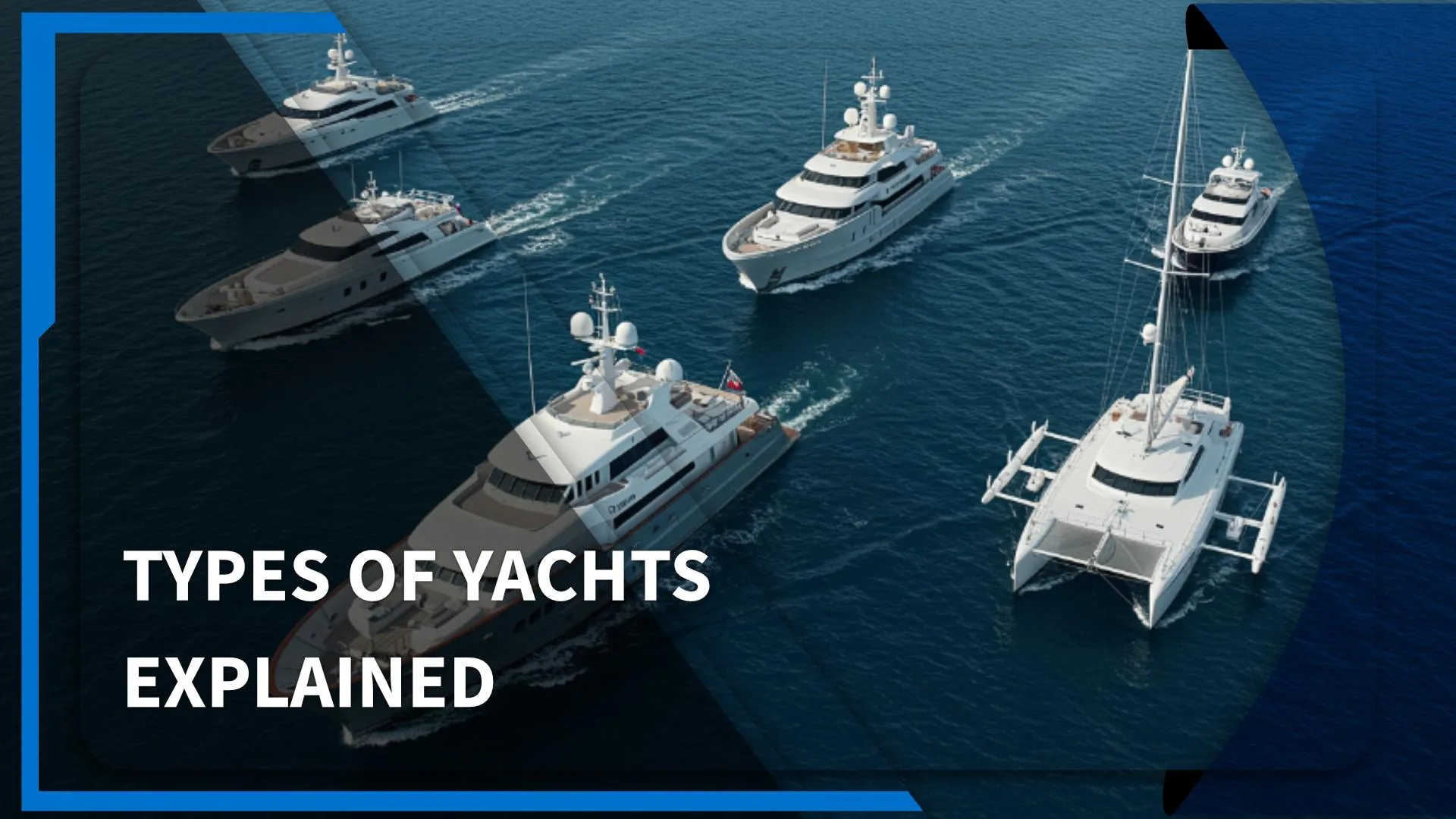
The term “yacht” often conjures images of luxury, freedom, and cutting-edge design but not all yachts are created equal. For owners, charterers, and industry stakeholders, understanding the different types of yachts is critical when making operational, financial, or lifestyle decisions. From high-performance motor yachts to transoceanic sailing vessels, the variety of yacht categories reflects a diversity of functions, aesthetics, and technical configurations.
Whether you’re refitting a classic sailing yacht, specifying a new build, or guiding a client through a brokerage decision, knowing how yachts are classified and what each type offers, helps shape smarter outcomes. This guide outlines the primary yacht categories, along with their use cases, challenges, and comparative attributes.
Defining Yachts: Purpose, Size, and Misconceptions
A yacht is a recreational vessel used for pleasure or sport. While there’s no universal threshold, the term generally applies to vessels over 10 meters (33 feet) in length. The larger classification, superyacht or megayacht typically begins at 24 meters (79 feet), though definitions vary by flag and function.
Common Misconceptions
All yachts are motorized: Not true sailing yachts remain a significant (and often preferred) segment for long-range cruisers and purists.
Size equals capability: A 60m yacht with shallow draft and limited fuel range may not perform as well offshore as a smaller, ocean-rated expedition vessel.
Luxury defines a yacht: While most yachts are luxurious, some are purpose-built for research, adventure, or even self-sufficiency.
Main Categories of Yachts
Motor Yachts
Motor yachts are powered by one or more engines, making them ideal for those prioritizing speed, interior volume, and ease of use. They dominate the global charter market and vary widely in style and range.
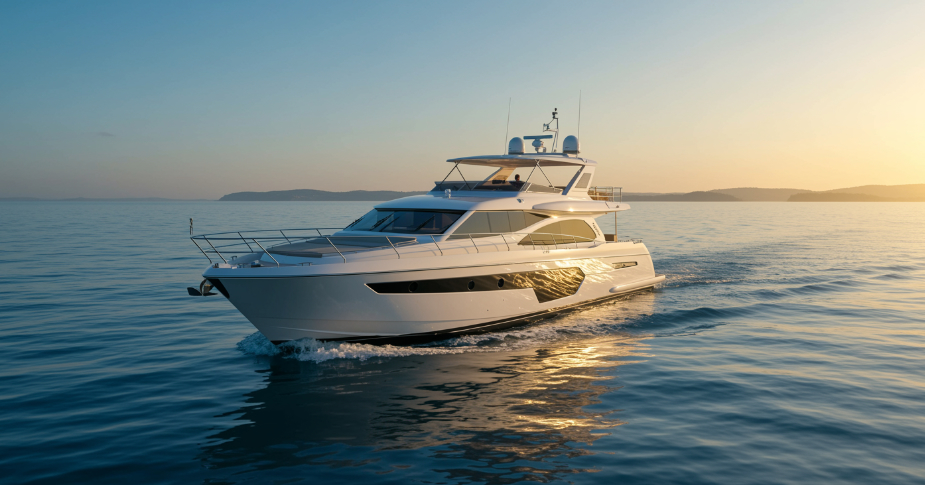
Motor Yacht
Key Subtypes
Flybridge Yachts
Feature an upper-level helm with open-air seating ideal for leisure and visibility.Open/Express Yachts
Sleek and fast, with minimal superstructure, popular in the Med for short, stylish hops.Tri-deck Yachts
Offer multiple enclosed decks for expansive interiors, common in 40m+ builds.
Pros
Spacious layouts
Easier maneuverability
Extensive amenity options
Cons
Higher fuel consumption
Limited range without refueling
Sailing Yachts
Powered primarily by wind, sailing yachts attract enthusiasts who value performance, sustainability, and tradition. They’re particularly suited to long-range, off-grid cruising.
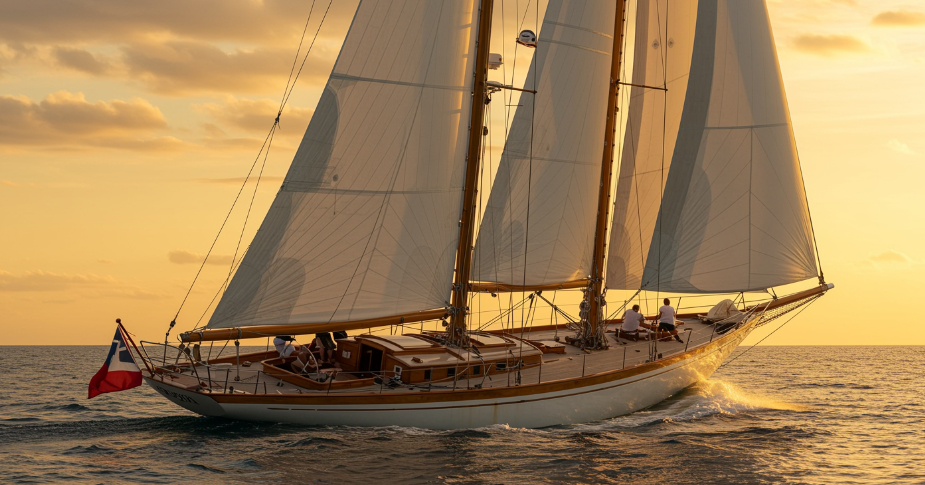
Sailing Yacht
Key Subtypes
Monohull
Single-hulled classics known for responsive handling and deep keels.Catamarans
Twin-hulled for stability and space popular for charters and family cruising.Performance Cruisers
Blend luxury with regatta-grade speed and modern rigging.
Pros
Fuel-efficient
Quiet operation
Often more seaworthy in rough conditions
Cons
Learning curve for crew
Less internal volume compared to motor yachts of similar length
Explorer (Expedition) Yachts
Built for autonomy and endurance, explorer yachts are designed to travel far beyond typical cruising grounds. Ice-class hulls, extended range, and commercial-grade systems are common.
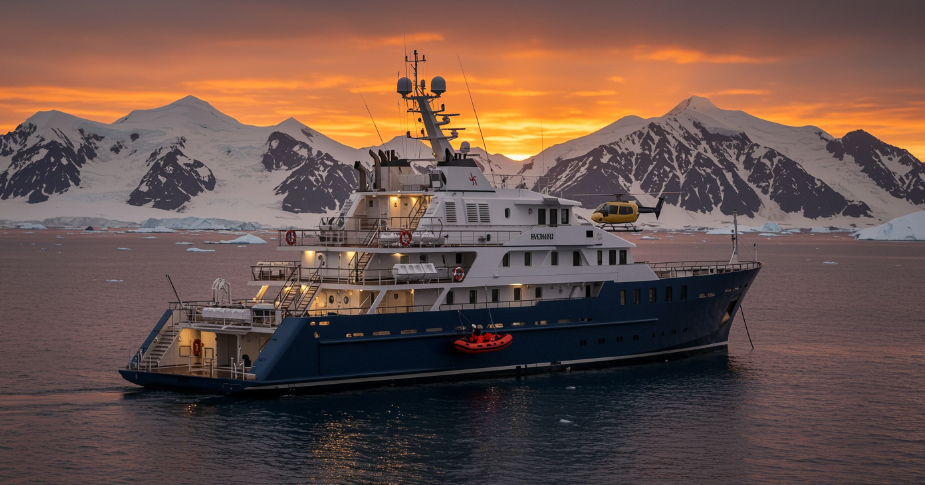
Expedition (Explorer) Yacht
Characteristics
Reinforced steel or aluminum hulls
Long-range fuel tanks and storage
Hybrid propulsion systems (in newer models)
Use Cases
Polar expeditions
Scientific missions
Extended global voyages
Sports and Fishing Yachts
These yachts cater to speed, agility, and utility ideal for big-game fishing, coastal racing, or island-hopping.
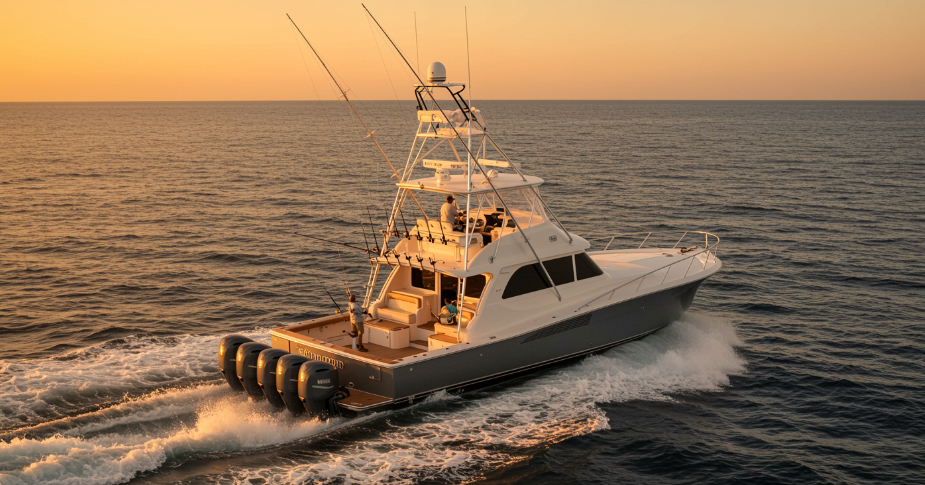
Fishing Yacht
Common Types
Sportfishermen
With tuna towers and outriggers, optimized for offshore angling.Performance Yachts
Designed for high-speed day cruising or competitive use.
Pros
Fast and maneuverable
Built for action-oriented use
Cons
Limited living space
Often single-use focused
Classic and Vintage Yachts
Restored or preserved older vessels, these yachts emphasize heritage, craftsmanship, and timeless appeal. Though they may lack modern systems, many are extensively refitted to current standards.
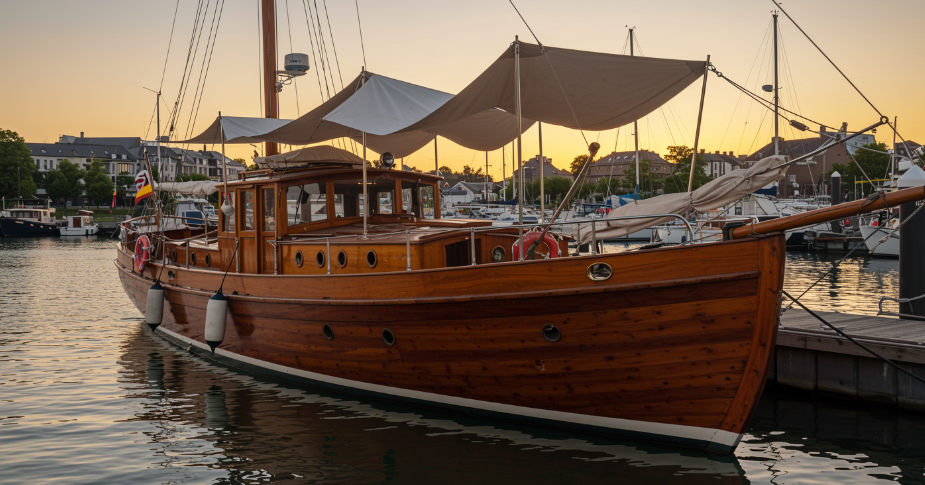
Classic Vintage Yacht
Considerations
Maintenance-intensive
Require specialized crew and support
Often valued as collector’s items
Luxury Charter Yachts
While not a design category, charter yachts deserve mention due to their operational distinctiveness. These vessels are optimized for guest experience, from layout to service infrastructure.
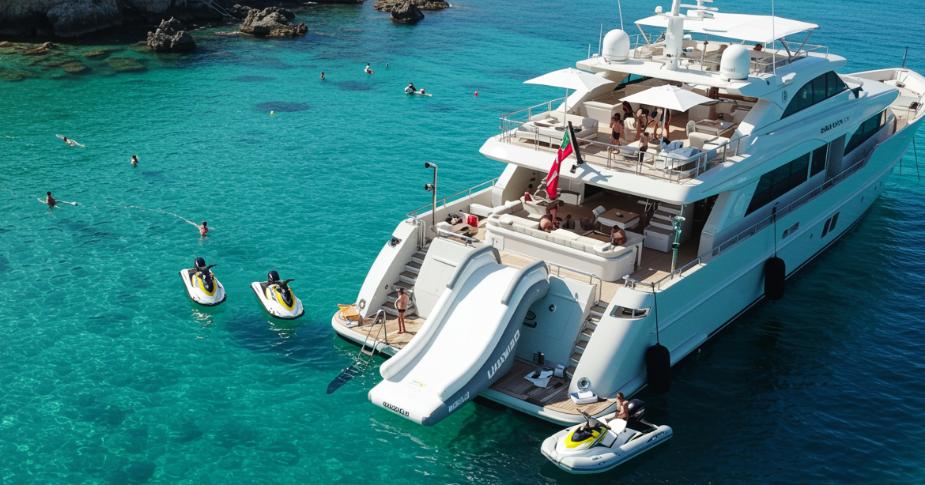
Luxury Charter Yacht
Typical Features
Multiple guest cabins
Professional crew quarters
High-end entertainment and water toys
Strategic Insight
Charter-friendly features (e.g., deck jacuzzis, beach clubs, AV/IT) can impact resale and build choices even for private owners planning future charter programs.
Yacht Types at a Glance
| Yacht Type | Power Source | Typical Size | Key Advantage | Primary Use Case |
|---|---|---|---|---|
| Motor Yacht | Engine | 15–100m | Interior volume | Leisure, Charter |
| Sailing Yacht | Wind + Engine | 10–70m | Eco-cruising | Long-range, Regattas |
| Explorer Yacht | Engine | 30–100m+ | Range + ruggedness | Expeditions, Off-grid |
| Sport Yacht | Engine | 10–30m | Speed and performance | Fishing, Racing |
| Classic Yacht | Varies | Varies | Aesthetics + heritage | Private, Collector-owned |
Our Perspective: Matching Yacht Type to Mission
With decades of industry experience, our team advises clients across new builds, brokerage, and refit strategy. Selecting the right yacht type isn’t just about aesthetics, it’s about matching platform capability to intended use, operating region, and ownership goals.
Conclusion: Choosing the Right Yacht Type
So, what are the types of yachts? From high-performance motor yachts to expedition-ready explorers, the landscape is as diverse as the owners who command them. Each yacht type brings its own balance of speed, range, comfort, and cost.
Understanding these categories empowers stakeholders to make informed decisions across acquisition, design, and operational planning. As the yachting world evolves, with more hybrid systems, long-range cruising, and charter innovation, the line between form and function continues to blur.