
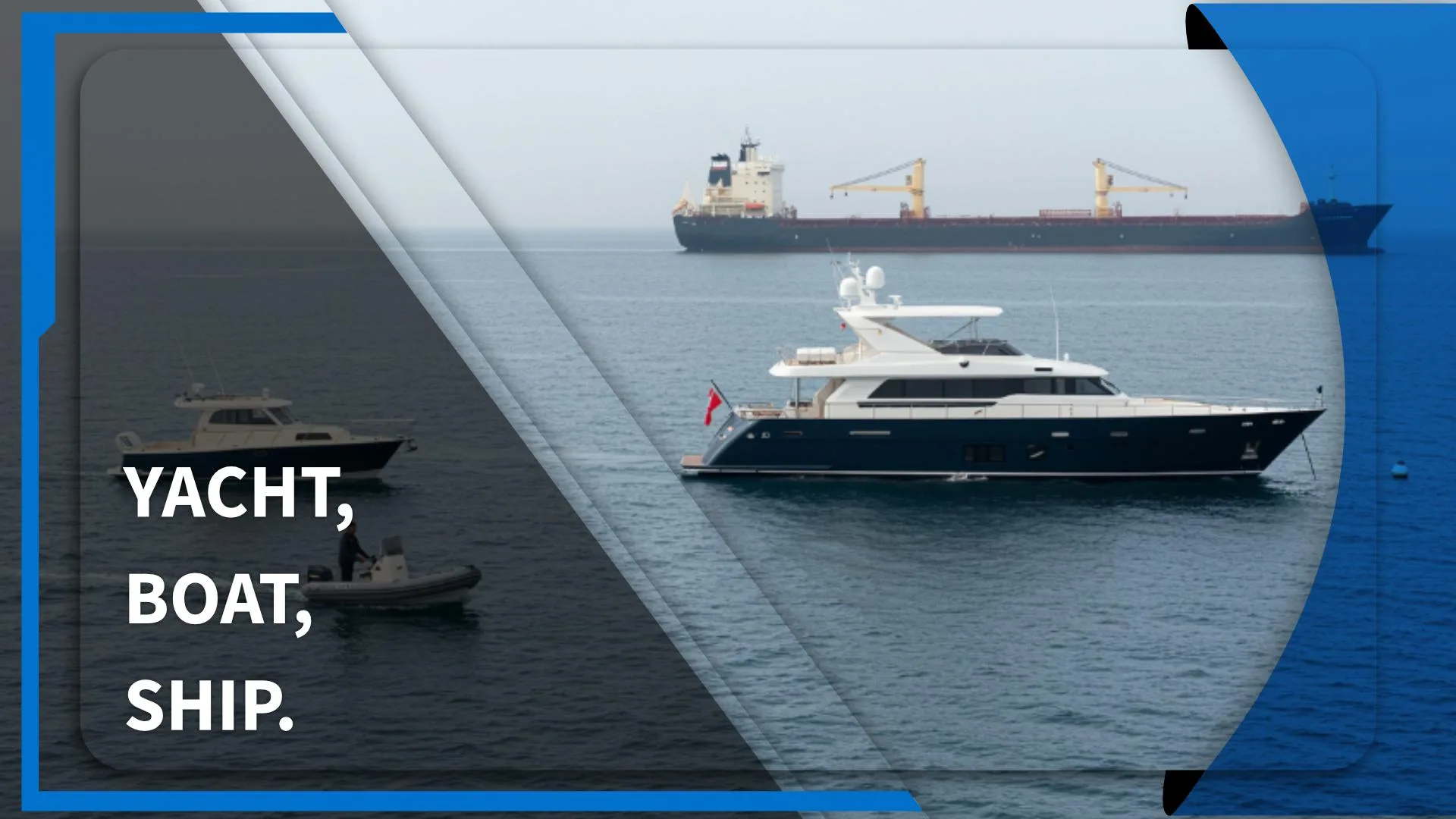
In maritime circles, the terms “yacht,” “boat,” and “ship” are often used interchangeably, but for professionals and stakeholders in the yachting industry, these distinctions are more than semantics. Whether you’re overseeing fleet operations, advising clients on vessel acquisitions, or designing next-generation watercraft, understanding the fundamental differences between a yacht, a boat, and a ship is crucial.
This article clarifies the often-blurred lines between these three vessel types. We unpack their technical, operational, and experiential differences to provide strategic clarity for owners, brokers, and builders alike. Let’s explore what truly separates a yacht from a boat, and both from a ship.
Foundational Context: Definitions & Why It Matters
Defining the Terms
Boat: A general-purpose watercraft, typically under 100 feet, used for recreational, fishing, or utility purposes. Boats can be power-driven or sail-powered.
Yacht: A subcategory of boat, usually privately owned and designed for leisure or luxury. Yachts typically start around 40 feet and can exceed 200 feet.
Ship: A large, ocean-going vessel used for commercial, military, or industrial purposes. Ships are over 500 tons and built to transport cargo or people across vast distances.
Why the Distinction Matters
For professionals in the maritime and yachting sectors, misusing these terms can lead to miscommunication in contracts, regulations, insurance, or logistics. Differentiating by size, function, and classification ensures clarity across operations, compliance, and customer engagement.
Comparing Yacht vs Boat vs Ship
Vessel Classification & Size
| Attribute | Boat | Yacht | Ship |
|---|---|---|---|
| Typical Length | < 40 ft to ~100 ft | 40 ft to > 200 ft | > 200 ft (often 500+ tons) |
| Purpose | Recreational, utility, fishing | Luxury, leisure, private cruising | Commercial, military, cargo |
| Crew Requirement | Often owner-operated | Professionally crewed (often) | Required licensed crew |
| Classification | Recreational vessel | Pleasure craft (may be MCA-classed) | Commercial vessel (IMO-regulated) |
Use Cases & Operational Profiles
Boats
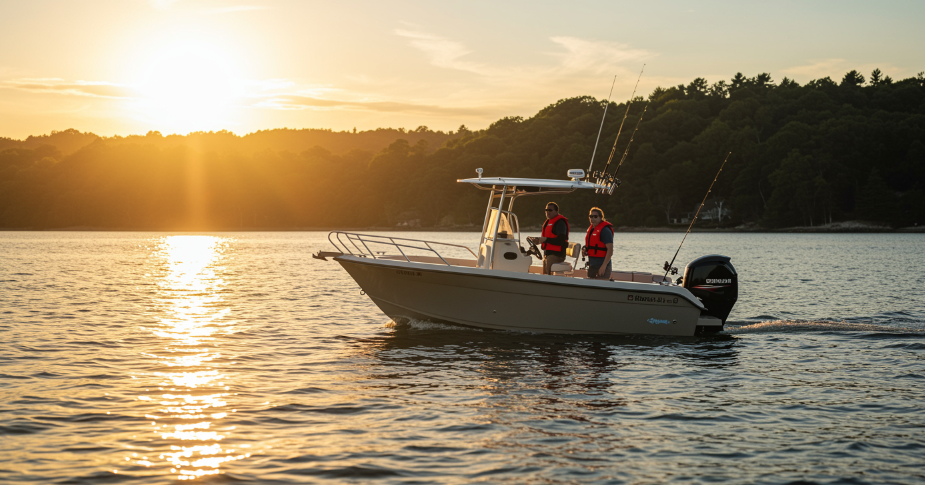
Boat
- Ideal for short-range trips, fishing, or personal excursions.
- Easily trailered or stored in dry docks.
- Typically limited in terms of range and onboard systems.
Yachts
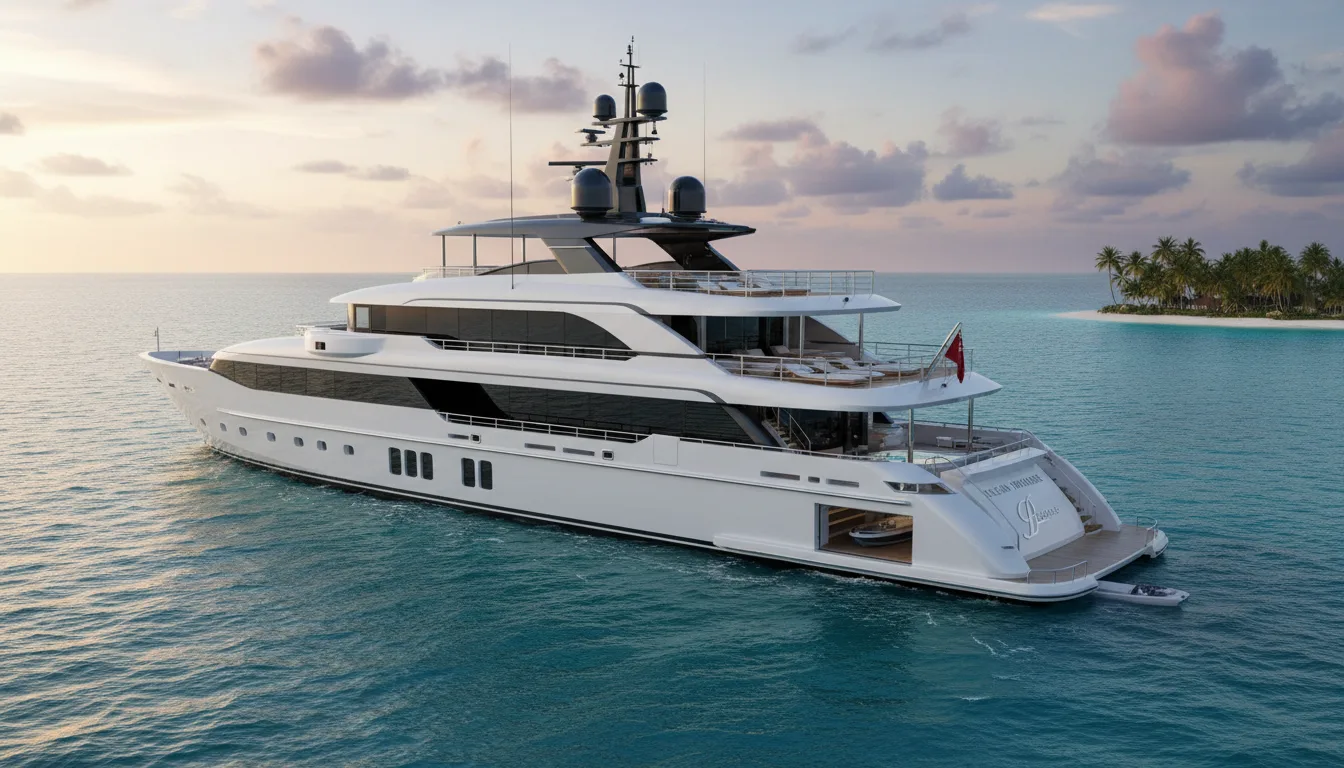
- Used for long-distance cruising, luxury charters, or private use.
- Often outfitted with advanced navigation, hospitality, and engineering systems.
- May fall under specific class regulations (e.g., LY3, ISM Code).
Ships
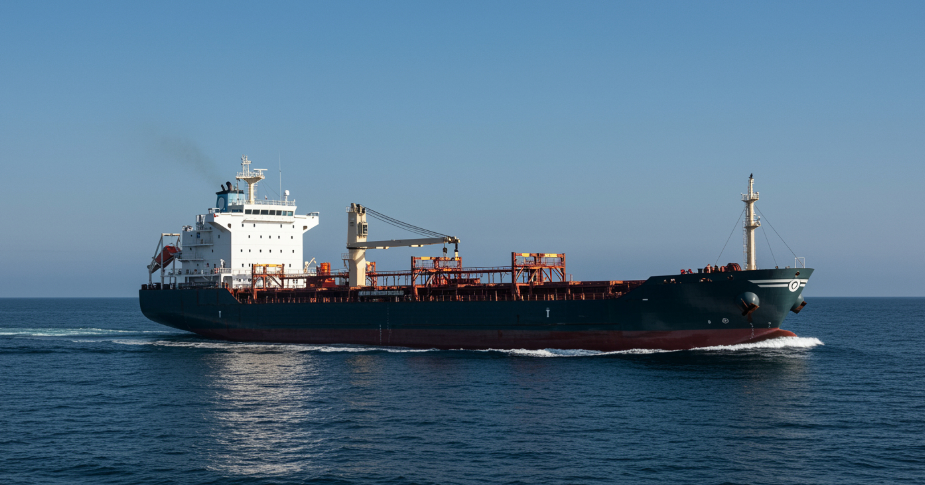
Ships
- Serve global logistics (container ships, tankers), military operations (frigates, aircraft carriers), or large passenger transit (cruise ships).
- Must meet stringent international standards (e.g., SOLAS, MARPOL).
- Operate under flag state jurisdiction with deep compliance requirements.
Design & Construction
- Boats: Fiberglass, aluminum, or composite materials. Simpler hull forms and propulsion.
- Yachts: Custom or semi-custom builds, often by world-class shipyards. Focus on aesthetics, comfort, and performance.
- Ships: Steel construction, modular assembly, redundancy in systems. Designed for durability and scale.
Strategic Considerations
Insurance & Regulatory Impact
- Boats and Yachts: Insured under marine pleasurecraft policies; class not always required.
- Ships: Require commercial marine insurance, often across multiple jurisdictions.
Operational Management
- Yacht operations demand experienced crew, lifecycle planning, and regular yard periods.
- Ship operations involve logistics routing, cargo handling, compliance tracking, and crewing schedules regulated under the IMO.
Best Practices: When to Use Each Term
- Use “boat” when referring to recreational or small-scale vessels.
- Use “yacht” for luxury or leisure vessels, typically over 40 feet, often with crewed operations.
- Use “ship” for commercial or ocean-crossing vessels with industrial or transport functions.
Clarity in terminology not only streamlines communication but enhances credibility among clients, maritime agencies, and shipbuilders.
Frequently Asked Questions
When does a boat become a ship?
A boat is often treated as a “ship” when its operation becomes commercial/ocean-going, requires licensed crew, and falls under stricter flag/class compliance (thresholds vary).
What’s the difference between a boat and a ship?
A boat is typically smaller and often privately operated; a ship is generally larger, ocean-going, and operates under commercial frameworks with stricter manning/safety rules.
What’s the difference between a boat and a yacht?
A yacht is a type of boat built for leisure/luxury, often larger, with more complex systems and sometimes professional crew—especially over 24m or when commercial.
Ship vs boat: which term should I use?
Use boat for small/recreational craft, ship for larger commercial/ocean-going vessels, and yacht for leisure/luxury vessels (terms can vary by country/flag).
What are yacht classification criteria?
In practice, classification depends on size/GT, private vs commercial use, passenger count, and flag/class rules (e.g., yacht codes, survey requirements, manning).
What is the main difference between a yacht and a boat?
While all yachts are technically boats, not all boats are yachts. Yachts are typically larger (40+ feet), designed for luxury or long-distance cruising, and often crewed. Boats can range from small fishing vessels to speedboats used for recreation or utility.
Is a yacht considered a ship?
No, a yacht is not classified as a ship unless it meets specific size and tonnage thresholds (generally over 500 gross tons) and serves a commercial function, such as large charter operations. Most yachts are still considered private pleasure vessels.
At what size does a boat become a ship?
A vessel typically becomes classified as a ship when it exceeds 500 gross tons or is used for commercial or industrial operations across oceans. Ships are subject to different regulatory frameworks (e.g., IMO, SOLAS).
Can a boat cross the ocean?
Some well-equipped boats, particularly ocean-rated yachts or trawlers, can cross the ocean. However, most recreational boats are not designed for extended bluewater voyages due to limited fuel capacity, hull strength, and navigation systems.
Do yachts require a licensed crew?
For larger yachts especially those over 24 meters or used commercially, a licensed crew is often required. Private yachts may be owner-operated, but regulations vary by flag state and vessel classification.
Are ships always used commercially?
Yes, the term “ship” typically refers to commercial, military, or industrial vessels. They are built for scale, cargo/passenger transport, or strategic functions, not leisure or private use.
What kind of maintenance do yachts need compared to boats?
Yachts require more extensive maintenance, including regular dry-docking, system checks (HVAC, navigation, hydraulics), and crew operations. Boats have simpler maintenance needs but still require seasonal servicing.
How are yachts classified?
Yachts can be classed under codes like LY3 or ISM depending on size and commercial use. Classification impacts insurance, construction, safety equipment, and operational standards.
Why does terminology matter in maritime contracts?
Mislabeling a vessel in legal, insurance, or compliance documents can lead to significant liabilities. For example, classing a ship as a yacht could void an insurance policy or breach regulatory requirements.