

Salt, oxygen, warmth, and dissimilar metals make yachts a perfect laboratory for corrosion. Left alone, they quietly pit shafts, blister coatings, and thin plating, then they show up as costly surprises during refit. Corrosion protection is the coordinated strategy that keeps your hull, appendages, and onboard systems safe, efficient, and presentable, whether you run a busy charter superyacht or a family cruiser. It blends coatings, cathodic protection, smart materials, and inspection into one practical program, not a single product.
What corrosion protection actually means
Corrosion protection is the set of strategies used to control the electrochemical reactions that convert metals into oxides and hydroxides in seawater. Corrosion is natural, but it is controllable with the right combination of design, coatings, cathodic protection, electrical practices, and maintenance. Authoritative bodies define corrosion as the deterioration of a material, usually a metal, caused by chemical or electrochemical reactions with its environment, and that is the problem we are solving on boats.
The mechanisms you must recognize
Different mechanisms drive different countermeasures:
Galvanic corrosion happens when dissimilar metals are electrically connected in an electrolyte like seawater. The less noble metal becomes the anode and dissolves. On yachts, mixed-metal assemblies and shared bonding systems can create these couples. Practical boating literature explains that sacrificial anodes are introduced to be the most willing metal to corrode, protecting more valuable hardware.
Stray-current corrosion is usually DC current leaking into seawater from a fault, often orders of magnitude faster than galvanic attack. Good bonding and electrical hygiene reduce the risk, and standards-based testing verifies protection levels.
Localized forms like pitting and crevice corrosion target stainless components in low-oxygen crevices, while MIC (microbiologically influenced corrosion) can occur in stagnant tanks. The key is early detection and breaking the corrosion circuit.
The toolbox: how protection works
Coating system
A high-build marine coating system isolates metal from oxygen and moisture. Proper surface preparation, primer selection, stripe coats on edges, film-build control, and compatible topcoats are non-negotiable. The globally recognized ISO 12944 framework maps exposure categories to coating systems and durability ranges for steel structures exposed to marine atmospheres and immersion, which is directly applicable when specifying yacht steelwork and appendages.
If your yard is planning a repaint, align corrosion control with your paint system application plan so blasting, priming, and fairing steps are sequenced correctly.
Cathodic protection
Sacrificial anodes, typically zinc, aluminum, or magnesium, are bolted or cast onto the structure. They donate electrons and take the corrosion burden. Current guidance for recreational craft highlights that aluminum anodes often provide higher capacity and broader water-type coverage than traditional zincs, which matters for vessels moving between salt, brackish, and fresh water.
Impressed Current Cathodic Protection (ICCP) drives a controlled protective current from inert anodes, using reference electrodes to regulate potential. It reduces anode mass and can give even protection on large or complex hulls, but it requires power, monitoring, and proper design to avoid overprotection side effects.
Electrical bonding and isolation
A coherent bonding system connects underwater metals to maintain equal potential and to route fault currents. It works hand in glove with cathodic protection and helps mitigate stray current damage, provided testing confirms correct potentials while afloat. ABYC-guided practices call for measuring hull potential with a reference electrode to verify that protection is within range.
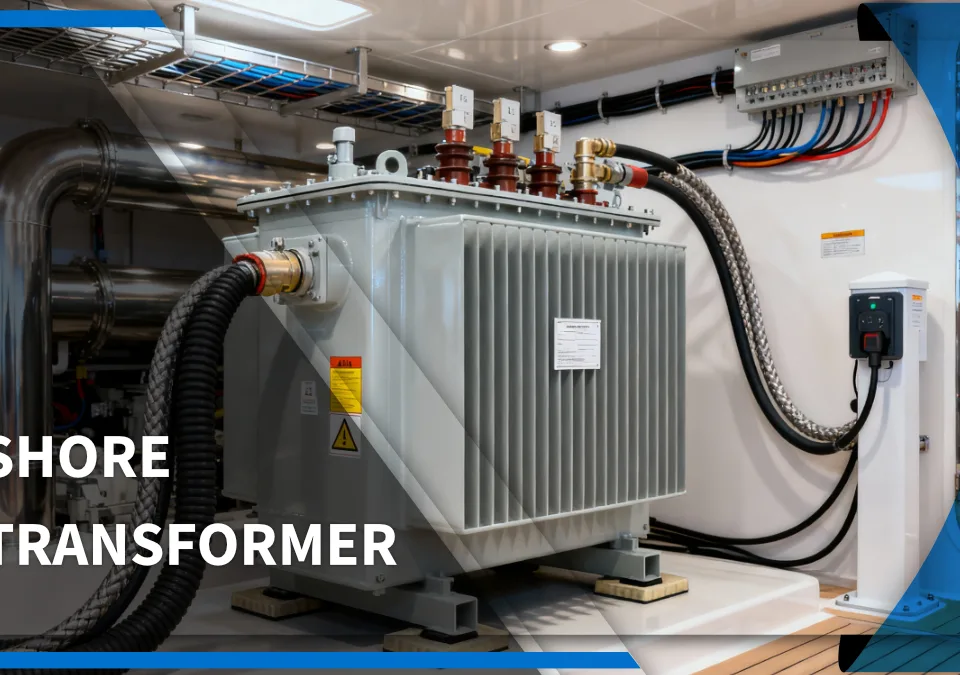
Where appropriate, isolate dissimilar metals with sleeves or gaskets, and consider galvanic isolators or isolation transformers for shore-power connections to limit dockside galvanic loops.
Where it matters most on yachts
Underwater appendages
Including shafts, props, rudders, trim tabs, and tunnels for a bow thruster. Complex geometry leads to uneven current distribution, so check anode placement and coating continuity here first.
Through-hulls and sea chests
Bronze, stainless, and aluminum combinations demand careful bonding and compatible anodes.
Ballast and fuel tanks
Stagnant or warm zones can accelerate localized attack, so coating selection and inspection are critical.
Bilges and machinery spaces
Moisture plus DC wiring faults equals stray-current risk.
Deck hardware and superstructure
Crevices under hardware trap chlorides and starve oxygen, setting the stage for pitting.
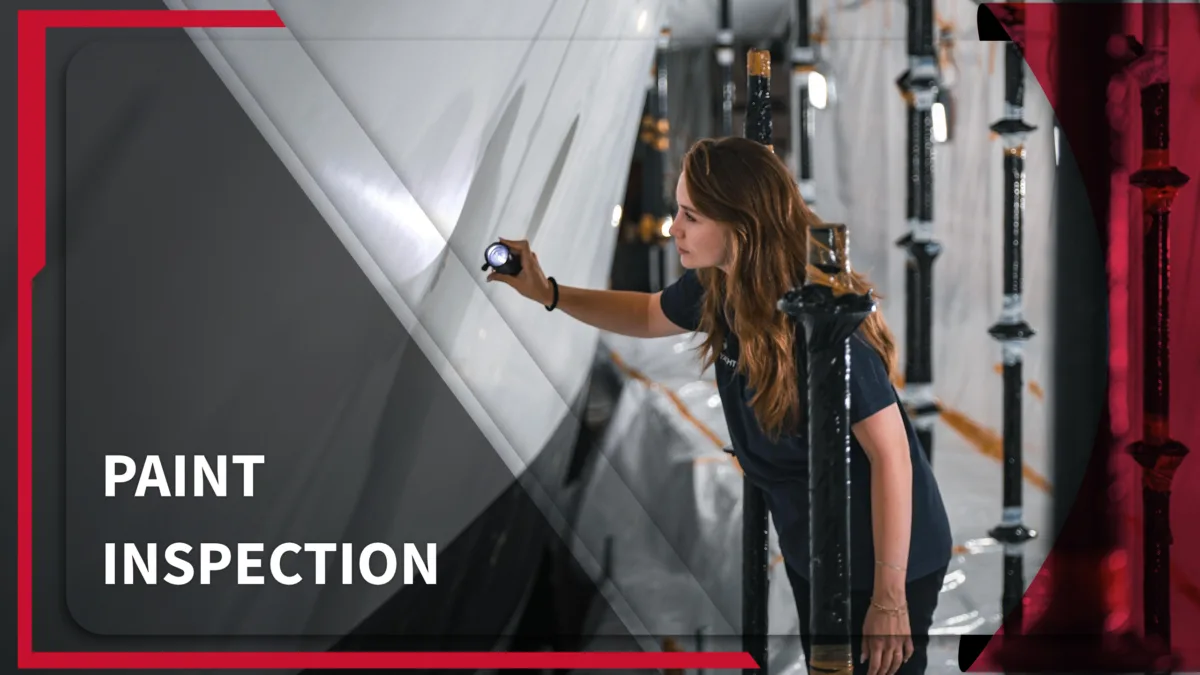
If you are planning dry docking, combine coating inspection with non-destructive testing (NDT) and hull thickness measurement to document condition before you specify repairs or repainting. This gives a defensible baseline for class, flag, and future resale.
How to manage it day to day
Specify deliberately
Match coating systems to exposure, expected service life, and maintenance windows using ISO 12944 categories. This avoids over or underspecifying, both of which waste money in different ways.
Monitor potentials
Periodic in-water surveys using a silver/silver-chloride reference electrode confirm that your hull and appendages sit inside the protective window. This is the quickest way to spot a bonding fault or a failing anode circuit.
Replace anodes on condition, not just calendar
As a rule of thumb, change at about 50 percent wastage and always after haul-out blasting if studs or straps are compromised. Aluminum anodes can extend intervals while protecting across salinity changes.
Audit shore power
Verify galvanic isolation and inspect grounds. Many rapid failures trace back to a single dock wiring issue that couples boats together electrically.
Keep systems integrated
Antifouling controls biology, coatings control oxygen and moisture contact, and cathodic protection controls electrochemistry. Treat antifouling and corrosion protection as coordinated programs, not independent tasks.
Clarifying close concepts, briefly
Antifouling vs corrosion protection
Antifouling paints target marine growth; they are not designed to stop electrochemical metal loss, so do not rely on them for that job.
Bonding vs grounding
Bonding equalizes potentials among metals, grounding deals with fault-clearing and safety. Both are necessary, but they are not interchangeable in purpose. ABYC-based testing ties them together during verification.
The trade-offs you should expect
Sacrificial systems are simple, passive, and cheap to maintain, but they add drag if overused and need periodic replacement. ICCP reduces anode mass and can protect large or awkward geometries, but it adds complexity and requires correct set points to avoid coating disbondment or hydrogen issues on high-strength alloys. Coatings deliver the biggest lifecycle savings, provided application quality is tightly controlled during blasting and painting. Standards and recommended practices from AMPP, DNV, and ISO help you set realistic targets and acceptance criteria.
Corrosion protection is one of the most cost effective investments in marine technology, because it quietly preserves safety, speed, and aesthetics. Treat it as a coordinated program that you design once, maintain season by season, and verify with data. When your coatings, cathodic protection, and inspection plan work together, you extend repaint cycles, protect machinery, and keep options open when your itinerary or refit plans change.
Corrosion Protection FAQs
How often should I replace sacrificial anodes on my yacht?
Inspect anodes whenever the boat is hauled and during long in-water periods. Replace when roughly half consumed, or sooner if wear is uneven, cracked, or loose. Fast, unexpected wastage usually points to a bonding or shore power issue that needs fixing before you just bolt on new metal.
Which is better for me, ICCP or sacrificial anodes?
ICCP shines on larger or complex hulls where even current distribution is hard to achieve with passive anodes. It reduces anode mass and offers active control, but it adds electronics and requires routine monitoring. Small to midsize yachts often do very well with a correctly designed sacrificial system and a healthy bonding network.
How do I know if shore power is causing corrosion problems?
Watch for rapid anode loss while berthed, tingling in the water, or unexplained metal staining near through-hulls. A galvanic isolator or isolation transformer can break dockside loops that push current through your metal parts. Confirm with a qualified test using a reference electrode to check hull potentials at the dock and away from it.
What are safe hull potential numbers, and how do I check them?
Use a silver/silver-chloride reference electrode clipped to the bonding system, then read the potential with a high-impedance meter while afloat. Your pro will compare readings to target ranges for the specific metal and protection method. Trending the same locations over time is more useful than a single one-off measurement.
Why do my new stainless fastenings pit even though everything looks clean?
Stainless pitting starts where oxygen is scarce and chlorides are trapped, like under hardware beds or in tight crevices. Seal and bed fittings well, eliminate water traps, and avoid mixing stainless with more anodic metals without isolation. Rinse with fresh water after passages to reduce surface chlorides.
Do composite or GRP yachts still need anodes?
Yes, if they have metal appendages such as shafts, struts, or bow thruster tunnels. The hull may be non-conductive, but the metals still form galvanic pairs in seawater. Protect each underwater metal group based on what it is electrically connected to.
Can antifouling paint increase corrosion risk?
Antifouling controls marine growth, not electrochemistry. Problems arise when coatings are damaged, thin on edges, or applied over contaminated surfaces that later blister and expose bare metal. Treat antifouling and corrosion protection as integrated tasks during surface prep and painting.
Aluminum vs zinc anodes, which should I choose?
Modern aluminum anodes offer high capacity and work across salt, brackish, and many fresh waters. Zinc performs well in clean saltwater but can become passive in fresh or polluted environments. Pick a single chemistry per protected circuit and never mix types on the same bonding network.
What are the signs of stray-current corrosion rather than galvanic corrosion?
Stray-current attack is fast and localized, often showing sharp-edge wastage or deep pits in days or weeks. It usually stems from DC faults, damaged insulation, or miswired equipment. If you see that pattern, isolate circuits, inspect cabling in wet areas, and test with shore power disconnected.
Will extra anodes slow my boat down or waste fuel?
Too many anodes add weight and drag, especially on high-speed hulls and near props or trim tabs. Correct design places the fewest anodes in strategic locations to achieve target protection while minimizing turbulence. Balance protection with hydrodynamics, not just metal quantity.
Can I mix bronze through-hulls with stainless shafts and props without issues?
Yes, but only with a coherent bonding system, correct anode selection, and insulating gaskets or sleeves where needed. Unplanned metal pairings or floating connections create hot spots for corrosion. Map the whole circuit so every wetted metal is either isolated properly or protected as part of the same system.
What should be on my corrosion checklist during dry docking?
Document coating condition, edge and weld coverage, and any blistering or underfilm rust. Check anode placement, fasteners, and bonding straps, then verify continuity between underwater metals. If the hull is steel or aluminum, schedule thickness readings and note areas to stripe coat before full coats go on.
Why do my anodes vanish faster at one marina than another?
Marinas differ in shore power wiring quality, neighboring boats’ faults, water chemistry, and stray currents in the basin. If consumption spikes at a particular berth, test with shore power disconnected and compare potentials. A faulty pedestal or a neighbor’s leak can become your corrosion driver.
Could ICCP ever damage my coatings or hardware?
Overprotection can cause coating disbondment or hydrogen-related issues on high-strength alloys. That is why ICCP systems use reference electrodes and controllers to keep potentials in a safe window. Regular calibration and health checks are part of owning ICCP, just like servicing a generator.
How do I troubleshoot fast anode consumption on a new build or refit?
Confirm the anode alloy and mass match the design, then verify bonding continuity and look for unintended connections to non-protected metals. Check shore power isolation, battery chargers, and DC negatives for leakage paths. Finish by measuring hull potentials underway and at the dock to pinpoint where things go off target.
Do I need different corrosion strategies for fresh, brackish, and salt water?
Yes, water chemistry changes both anode performance and coating stress. Choose anode alloys suited to your cruising grounds, and recheck hull potentials whenever you move between salinity zones. Brackish environments in particular can expose weak spots in bonding and anode sizing.
What maintenance interval makes sense for corrosion protection?
Set a calendar that matches usage, typically quarterly in-water checks and at every haul. Trend hull potential readings, anode wear, and coating condition so you act on data rather than guesswork. The right interval is the one that catches drift before it becomes damage.
Is bonding the same as grounding on a yacht?
No, bonding equalizes metal potentials and integrates cathodic protection, while grounding deals with fault clearing and shock safety. They are coordinated but serve different purposes. Treat them as two systems that must be designed to work together, not as interchangeable wiring.
What metal combinations should I avoid below the waterline?
Wide separations on the galvanic series, like aluminum in contact with copper-based alloys, are high risk without isolation and tailored protection. If mixing is unavoidable, use insulating materials and ensure the protection system is sized for the most anodic component. Always verify the result with in-water potential measurements.
Who should own corrosion protection on a managed yacht?
Give responsibility to a named person, usually the engineer or technical manager, with clear inspection and reporting intervals. Corrosion control crosses coatings, electrics, and mechanical work, so it needs a single point of accountability. That person coordinates contractors, logs readings, and drives timely fixes.