
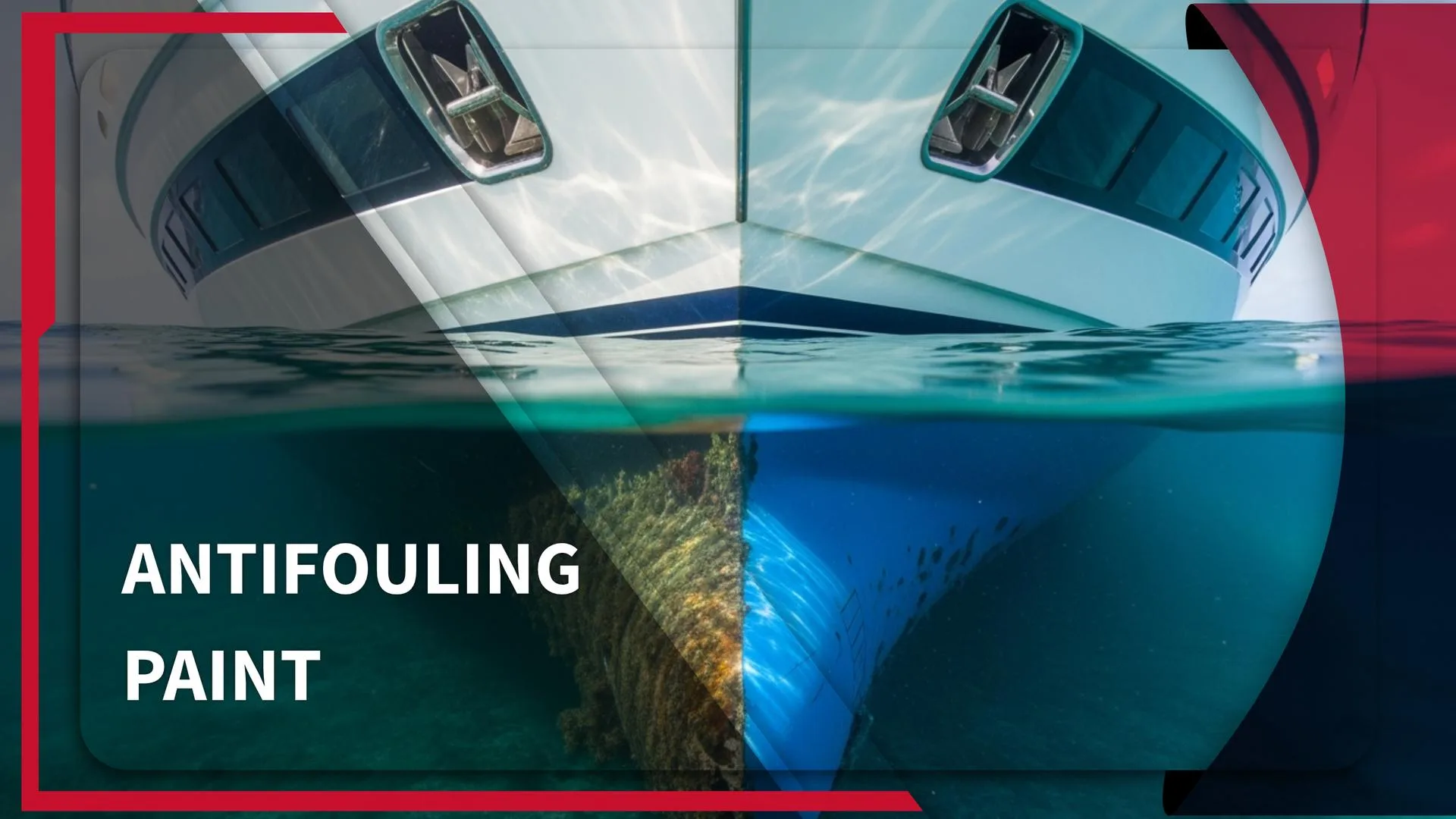
Antifouling is the underwater coating system used to control marine growth on the hull and appendages. On a yacht, that means reducing the drag, fuel penalty, performance loss and cleaning burden that come with algae, slime, barnacles and other attached organisms.
In refit work, antifouling is not just a paint-choice question. It sits inside docking schedule, old coating condition, idle profile, operating waters, environmental restrictions and the wider state of the underwater body. That is why a straightforward bottom paint job can turn into a broader yacht refit decision once preparation, compatibility and compliance start widening the scope.
What Antifouling is Actually There To Do
Marine growth does more than make the hull look neglected.
It can:
- increase drag and fuel consumption
- reduce speed and operating efficiency
- change how long the hull stays clean between maintenance windows
- complicate underwater inspection and cleaning
- increase biofouling-related environmental exposure
IMO’s anti-fouling and biofouling guidance frames the issue in exactly those practical terms: hull growth affects performance, and poor fouling control also increases the risk of transferring invasive aquatic species between regions.
Antifouling Choice Follows Yacht Profile, Not Preference Alone
The right antifouling system depends on how the yacht is used.
The coating choice usually follows:
- operating pattern such as active cruising versus long idle periods
- water conditions including temperature, salinity and fouling pressure
- speed profile and how the hull is expected to perform underway
- maintenance interval between docking or haul-out periods
- existing coating condition and compatibility
That is why antifouling should be specified as part of an underwater maintenance strategy, not treated as an isolated product choice on the dock list.
Antifouling is Not a Substitute for Proper Hull Preparation
An antifouling coat can only perform on the substrate it is being asked to protect.
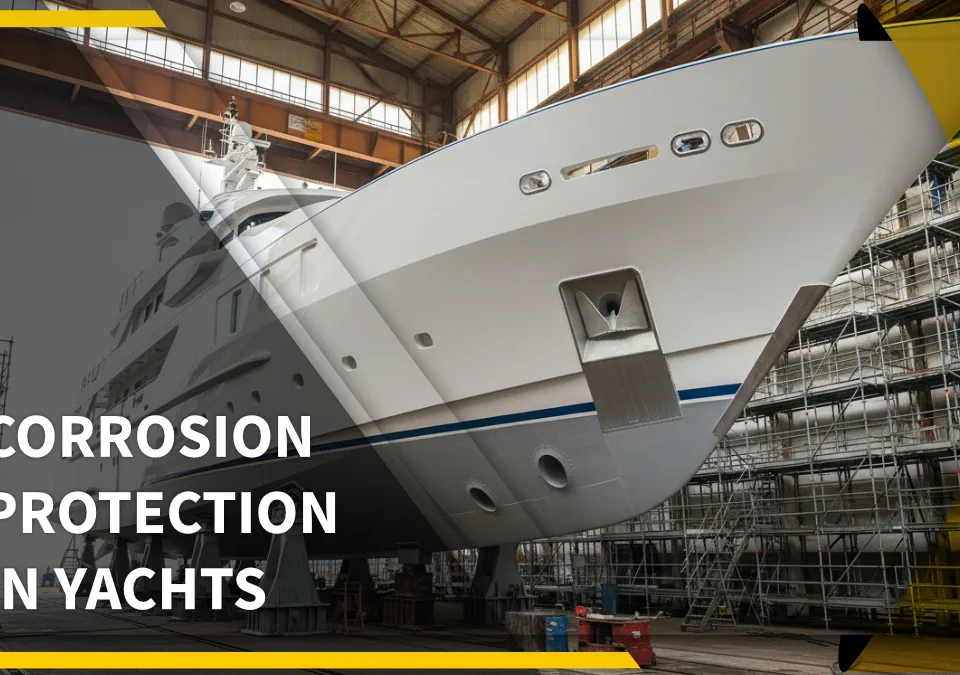
If the underwater body is carrying failed layers, poor adhesion, damaged fairing, corrosion, osmosis-related repair zones or incompatible legacy coatings, the job is not just “apply new antifouling and launch”. It becomes a preparation and repair problem first.
That is why antifouling often overlaps with:
- dry docking for access and underwater inspection
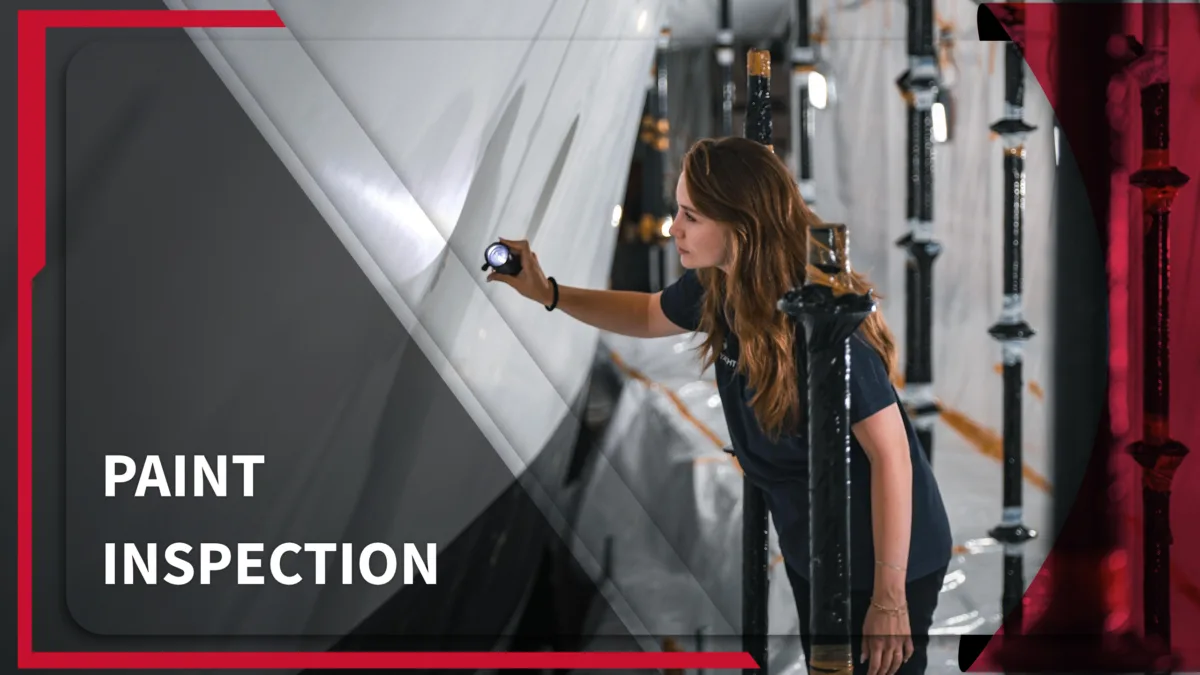
- paint inspection for surface and coating-quality control
- fairing where hull shape correction or repair blending is part of the job
- osmosis treatment on GRP hulls with blistering or barrier-coat rebuild needs
Compliance and Environmental Control Matter
Antifouling is not only a performance issue. It is also a regulatory one.
The IMO AFS Convention prohibits harmful anti-fouling systems such as organotin compounds acting as biocides and provides a mechanism to control other harmful substances. The Convention now also includes controls on cybutryne. Depending on size and voyage profile, ships may need either an International Anti-fouling System Certificate or a Declaration on Anti-fouling Systems with supporting documentation.
That means the owner team needs to think beyond product performance:
- is the chosen system compliant where the yacht operates?
- does the yacht need survey or documentary follow-up after renewal?
- are coating removal and cleaning methods being handled correctly?
If the statutory side is active, flag state rules becomes a natural support page.
When Antifouling Turns Into a Bigger Yard Decision
The underwater scope usually widens when one of these is true:
- the old coating system is failing across broad areas
- the yacht has been idle long enough for reactive cleaning and reactivation planning to matter
- underwater repairs, corrosion or impact findings are already open
- appendages, shell openings or local repair zones need different preparation logic
- the owner wants performance improvement without first solving hull-condition problems
In those cases, antifouling stops being a routine item and starts becoming part of a wider underwater work package with real budget and schedule implications.
Why Antifouling Should Be Planned Before the Docking Window
The coating itself is only one part of the docking period.
The real sequence usually includes:
- inspection of the hull and appendages
- surface preparation and cleaning
- repair of defective areas
- compatibility decisions on the next system
- application, inspection and cure timing
If those decisions are left until the yacht is already on the blocks, antifouling can start stealing time from the whole docking schedule.
FAQ
Is antifouling only about speed and fuel use?
No. Those are major reasons, but antifouling also affects maintenance interval, underwater condition management and biofouling-related environmental exposure.
Can any new antifouling coat go over the old one?
Not safely as a default assumption. Compatibility, adhesion, old coating condition and the real state of the substrate all need checking first.
Does antifouling have a compliance side?
Yes. The AFS Convention controls harmful anti-fouling systems, and some yachts will have survey or documentary obligations tied to the system in use.
When does antifouling stop being a routine maintenance item?
When the underwater body already carries repair needs, coating-system failure, compliance questions or wide preparation demands that affect docking time and budget.