

NDT, or non-destructive testing, is a group of inspection methods used to check the condition of a material, weld, component, or structure without damaging it. In yacht refit and repair, NDT is used to find cracks, corrosion loss, weld discontinuities, laminate issues, and other hidden defects before work is closed out.
On a superyacht project, NDT usually sits inside a wider inspection and repair sequence. A surveyor, inspector, yard, or owner’s team may call for it when there is concern around structural condition, weld quality, thickness loss, or hidden damage that cannot be judged from surface appearance alone. Where the inspection question sits inside a wider condition or compliance review, it often starts with a marine survey.
Why NDT matters in yacht work
A lot of refit decisions depend on what sits below the surface.
A weld can look clean and still carry lack of fusion. A painted plate can hold corrosion loss that only shows up on gauging. A stainless fitting can carry a surface crack that needs confirmation before the area is signed off. NDT gives the project team inspection data without cutting apart the component first.
That matters during:
- steel or aluminium repair scopes
- weld renewals and fabrication checks
- tank, pipe, and pressure-related inspections
- damage assessment after impact or fatigue concerns
- condition checks before a wider repair budget is agreed
Common NDT methods on yachts
The method depends on the material, the suspected defect, the level of access, and the inspection requirement.
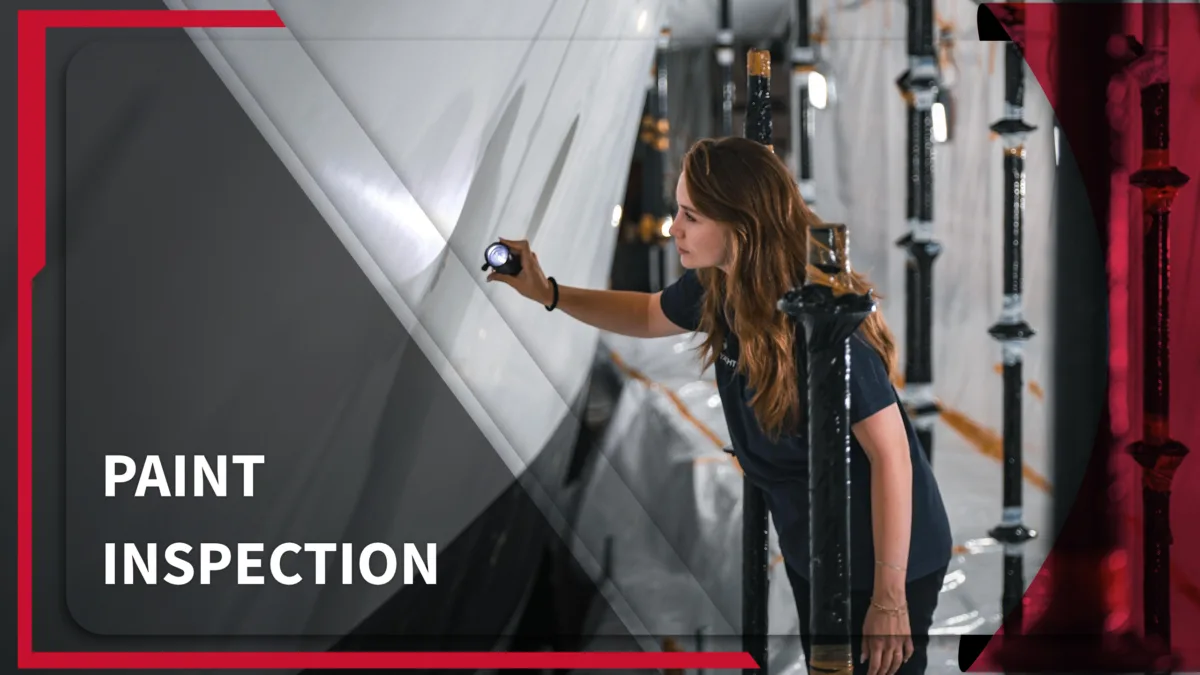
- VT (Visual Testing): direct visual inspection of a weld, surface, fitting, or structure for visible defects, distortion, corrosion, or workmanship issues
- UT (Ultrasonic Testing): uses sound waves to measure thickness or detect internal flaws; widely used for plating checks and weld inspection
- PT (Liquid Penetrant Testing): highlights surface-breaking cracks on non-porous materials
- MT (Magnetic Particle Testing): used on ferromagnetic materials to reveal surface and near-surface discontinuities
- RT (Radiographic Testing): uses radiation to inspect internal weld quality and hidden defects
- ET (Eddy Current Testing): electromagnetic method used on conductive materials for crack detection and material assessment in specific applications
In a yacht yard period, ultrasonic testing is one of the most familiar methods because it is often used for thickness measurement and targeted weld checks.
Where NDT shows up during a refit
NDT is usually tied to a specific work package rather than treated as a stand-alone exercise.
Typical examples include hull and superstructure repairs, local steel renewals, aluminium fabrication, welded pipe sections, tank boundaries, foundations, and selected composite areas where hidden defects need confirmation. The inspection result then feeds directly into the next decision: accept, repair, rework, monitor, or expand the scope.
For that reason, NDT often appears at hold points in the work sequence, especially where the next step would cover the area with coatings, insulation, linings, or final assembly. Where inspection sequencing, witness points, records, and release checks need to stay aligned, the practical support route is tests and surveying.
NDT, NDE, and hull thickness measurement
You may also see the terms NDE (non-destructive examination or evaluation) and NDI (non-destructive inspection). In practice, these are often used for the same family of inspection methods.
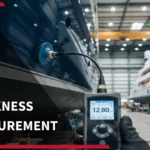
Hull thickness measurement is related, but narrower. It is one application within the wider NDT category, usually carried out with ultrasonic gauging to check plating or structural thickness. If you want the term that covers the full inspection family, NDT is the broader label.
What an NDT result leads to
An NDT report does more than confirm whether a defect is present.
It helps define repair boundaries, supports survey close-out, and gives the project team a basis for the next instruction. That could mean grinding out and rewelding a joint, renewing a local insert plate, opening a composite area for repair, or recording the result as acceptable within the required standard.
The inspection method is only one part of the job. The value sits in how the result is interpreted against the scope, acceptance criteria, and repair route.
If NDT findings open into a broader structural or repair package, the next step is usually a wider superyacht refit scope review. If inspection findings are already widening the repair package, the next commercial step is to request a refit quote.