
If you spend time around yachts, whether as a crew member, engineer, or simply someone passionate about how these complex vessels work, you’ve probably heard the term PTO or Power Take-Off. It’s one of those technical phrases that might sound intimidating at first, but understanding it can give you a deeper appreciation of the engineering that keeps a yacht operating smoothly.
So what exactly is a PTO, and why does it matter in the world of yachting?
Understanding Power Take-Off
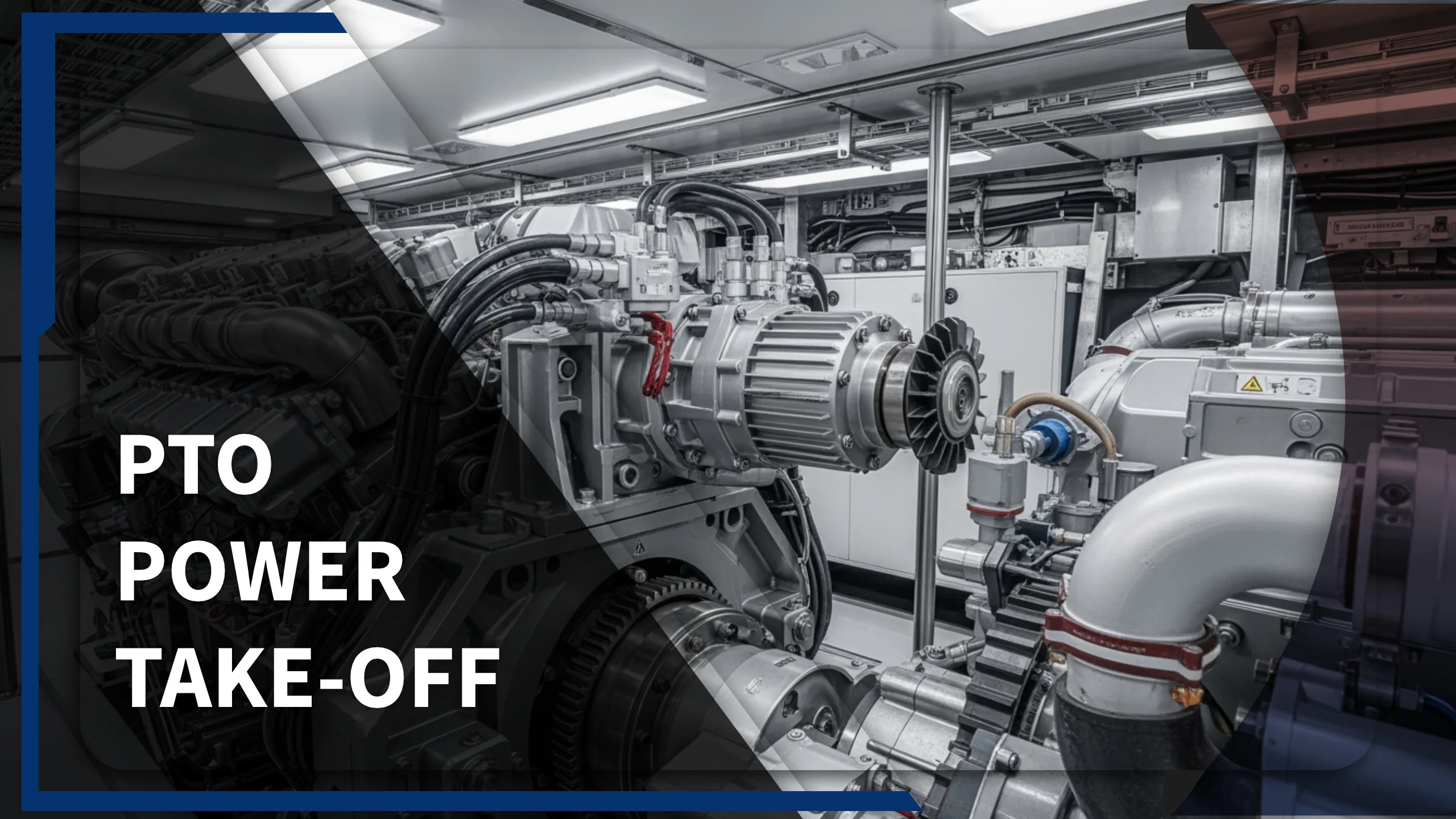
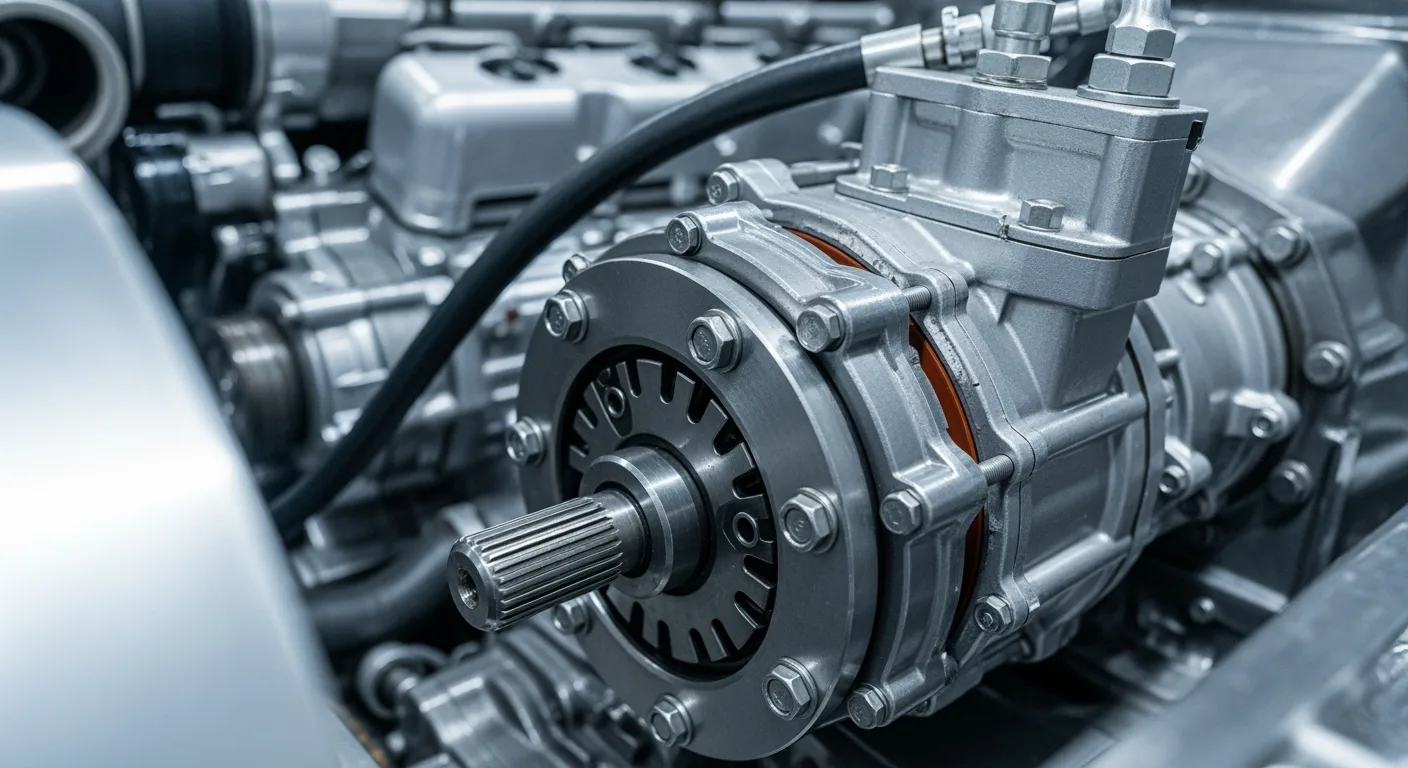
A Power Take-Off (PTO) is a mechanical device that transfers power from a yacht’s main engine or other source of mechanical energy to auxiliary equipment. Think of it as a bridge that allows the engine, which usually drives the propulsion system, to also provide energy for other onboard systems.
Instead of installing separate engines or motors for every function, a PTO makes it possible to harness power from the main engine to run essential systems. This setup reduces weight, saves space, and increases efficiency all critical factors on a yacht where performance and comfort must coexist.
Examples of PTO Use on Yachts
On superyachts, PTOs are often connected to hydraulic pumps that power critical equipment. For example:
Stabilizers that reduce rolling at sea
Bow thrusters and stern thrusters for precise maneuvering in marinas
Winches and cranes for launching tenders or handling heavy loads
Hydraulic steering systems that keep the yacht under control
By running these systems off the main engine through a PTO, yachts can avoid the need for additional standalone machinery, which would take up valuable space in the engine room and increase maintenance demands.
What PTO Is Not
It’s easy to confuse a PTO with other onboard machinery. For instance, auxiliary generators also supply power, but they primarily produce electrical energy for lighting, HVAC systems, and hotel services. A PTO, on the other hand, transmits mechanical energy directly to hydraulic or mechanical systems.
Another point of confusion can arise with shaft alignment and propulsion equipment. While they are connected in the sense that they all rely on the engine’s rotation, the PTO is about diverting some of that rotational power to do other jobs beyond moving the yacht forward.
Why PTOs Matter in Yachting
Efficiency and reliability are everything at sea. When a yacht relies on a PTO system, it simplifies operations and reduces the number of separate engines or motors onboard. That means:
Lower maintenance compared to having multiple independent systems
Weight savings, which improve fuel efficiency and performance
Better use of space, a constant consideration in yacht design
Improved integration between the engine and auxiliary systems
For a yacht owner or management company, this translates into cost savings and smoother operations. For crew and engineers, it means fewer machines to monitor and maintain during a voyage.
How a PTO Works in Practice
Mechanically, a PTO is usually mounted on the engine’s gearbox. When engaged, it draws rotational energy from the engine’s crankshaft or transmission and sends it to a pump or other device.
Take the example of a hydraulic stabilizer system. When the captain switches it on, the PTO activates a hydraulic pump, which generates the pressure needed to move the stabilizer fins. This operation is seamless to guests onboard (they simply feel the yacht becoming more stable) but it is the PTO at the heart of that smooth experience.
In larger yachts, redundancy and safety are also key. That means PTO systems often include clutch mechanisms or bypasses to disengage them if necessary, ensuring the yacht’s propulsion system remains unaffected.
PTO in the Bigger Picture of Yacht Systems
A PTO is just one element in the intricate network of machinery that keeps a yacht operational. It works alongside systems such as engine overhauls, hydraulic services, and machinery and equipment maintenance. When properly maintained, a PTO ensures that stabilizers, thrusters, and other hydraulically driven systems continue to perform reliably, which is especially important during docking maneuvers or heavy seas.
During a sea trial, engineers often test PTO-driven equipment to make sure everything integrates correctly with the main engines before the yacht is returned to service.
The Power Take-Off may not be the flashiest piece of yacht technology, but it’s one of those hidden heroes that make a big difference in daily operations. By enabling the main engine to power multiple critical systems, it embodies the blend of efficiency, practicality, and engineering precision that defines modern yacht design. Understanding these behind-the-scenes systems doesn’t just make you more knowledgeable, it gives you a real appreciation of how much thought and engineering goes into making a yacht not just a vessel, but a floating masterpiece.
Frequently Asked Questions: PTO (Power Take-Off)
Can a PTO be used while the yacht is cruising, or only when stationary?
Yes, a PTO can operate while the yacht is underway, depending on how it’s configured. For example, it might power hydraulics for stabilizers or pumps while the main engine is running at cruising speed. Some PTOs have clutch systems that allow you to engage or disengage them as needed.
What happens if the system connected to the PTO fails — does it affect the main engine?
Generally, a properly designed PTO setup will isolate failures so they don’t affect the engine’s core function. However, if a PTO-driven pump seizes or there’s a mechanical issue, it can place strain on the gearbox or engine if not promptly disengaged. That’s why regular maintenance is key.
Is it possible to retrofit a PTO into an existing engine system?
In some cases, yes. Many marine gearboxes come with optional PTO ports that can be activated or outfitted later. However, retrofitting may require structural changes, space planning, and compatibility checks with the engine or gearbox model.
Can multiple systems run off a single PTO?
They can, but only if the total power demand is within the safe limits of the PTO and the engine’s output. In high-demand cases, load-sharing or backup power may be necessary. A professional evaluation is always recommended before adding new loads to an existing PTO.
Are PTOs only used for hydraulics?
Hydraulics are the most common use, but not the only one. PTOs can also power mechanical pumps, compressors, or even auxiliary alternators. The key is that they deliver rotational energy, so any system that can benefit from that can be considered.
How do I know if my yacht’s systems are PTO-powered?
You can usually find this information in the engine room schematics, technical manuals, or by checking directly with your engineer. If you see hydraulic pumps mounted near the gearbox with direct shaft connections, that’s often a sign you’re looking at a PTO setup.
What are the risks of overloading a PTO?
Overloading can lead to overheating, mechanical wear, or failure of the PTO clutch or connected system. It can also reduce the lifespan of the engine or gearbox. Monitoring load and ensuring proper sizing is essential for safe and efficient operation.
Do PTOs require special maintenance?
Yes, like any mechanical system, they need regular inspection. This includes checking seals, fluid levels (if hydraulic), coupling alignment, and wear on clutches or drive shafts. Maintenance intervals often match those of the main engine or gearbox.